
Auditorium Theatre Information
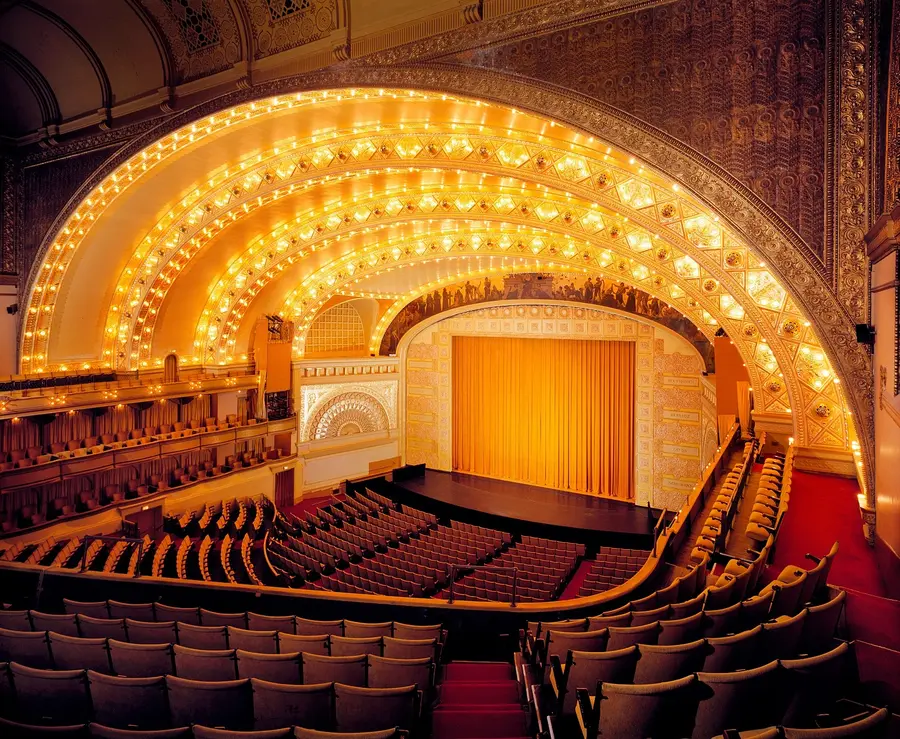
The Auditorium Theatre, located at 50 East Ida B. Wells Drive in Chicago, Illinois 60605, United States, is a iconic venue renowned for its architectural grandeur and cultural significance. This guide provides an in-depth look at its history, atmosphere, equipment, management, what to expect as an attendee, concessions, and additional tips for event goers. Whether you’re attending a concert, musical, or ballet, understanding the venue enhances your experience.
History
The Auditorium Theatre’s story begins in the late 19th century, a testament to Chicago’s post-Great Fire renaissance. Conceived by businessman and philanthropist Ferdinand Peck after the 1885 Grand Opera Festival, the theater was designed by acclaimed architects Dankmar Adler and Louis Sullivan. Opened on December 9, 1889, it was part of the larger Auditorium Building, which included a hotel, offices, and retail spaces – making it the first mixed-use skyscraper in the U.S. At the time, it was Chicago’s tallest building and the nation’s largest, boasting innovative features like electric lighting, air conditioning (using tons of ice), and hydraulic stage lifts.
The venue hosted grand operas, speeches by presidents like Theodore Roosevelt, and events during the 1893 World’s Columbian Exposition. However, financial woes led to bankruptcy in the early 20th century. It survived a 1917 bombing during an opera performance and served as a servicemen’s center during World War II, with the stage converted into a bowling alley.
By 1945, it had deteriorated, but Roosevelt University acquired it in 1947, using it as classrooms until a full restoration in the 1960s led by Harry Weese. Designated a National Historic Landmark in 1975, it reopened in 1967 and has since hosted legends like the Joffrey Ballet (until 2020), Broadway shows, and concerts. Today, at 135 years old, it bridges Chicago’s social divides through accessible arts.
Atmosphere
Stepping into the Auditorium Theatre feels like entering a gilded age masterpiece. The interior, adorned with intricate gold leaf, murals, and arched ceilings by Louis Sullivan, evokes elegance without overwhelming opulence. Its acoustics are legendary – designed like a bullhorn to funnel sound perfectly, ensuring even the farthest seats hear clearly without amplification. The atmosphere is classy and intimate despite its 3,901-seat capacity, with a mix of historic charm and modern comfort – no musty smells, just clean, well-maintained spaces. Attendees often describe it as magical, with warm lighting highlighting the ornate details. The three balconies and opera boxes add a sense of grandeur, while the diverse crowd – from families to theater enthusiasts – creates an inclusive vibe. Wander the lobbies to admire the architecture; it’s a venue where the building itself is part of the show, blending nostalgia with vibrant energy.
Equipment
Technically, the Auditorium is equipped for world-class productions. The stage measures 95 feet wide by 40 feet deep, with a proscenium opening of 48 feet wide and 30 feet high. It features a single-purchase counterweight rigging system with 99 linesets, a grid height of 80 feet, and battens up to 63 feet long. Lighting includes a comprehensive ETC system with dimmers, moving lights, and follow spots. Sound capabilities boast a Meyer Sound system, wireless microphones, and intercoms for seamless productions. Additional equipment includes modular staging, wheelchair ramps, and A/V options like projectors and screens. The venue supports everything from orchestral concerts to musicals, with hydraulic lifts and ample wing space. For performers, dressing rooms and green rooms are modernized, ensuring efficiency. Its acoustics remain a highlight – no need for heavy amplification in many cases.
Who Manages It
The Auditorium Theatre is owned and operated by Roosevelt University as a not-for-profit entity, aligning with its mission to make arts accessible. Management falls under the Auditorium Theatre of Roosevelt University, led by CEO Rich Regan, who brings decades of experience in theater production. The board of directors, chaired by Ann Nash, includes community leaders committed to preservation and programming. A dedicated staff handles operations, from event booking to maintenance, ensuring the venue’s historic integrity while hosting diverse events. Roosevelt University’s involvement since 1947 has been pivotal in its revival, turning it into a cultural hub.
What to Expect
Arrive early – many shows enforce a no-late-seating policy, and exploring the venue is a highlight. Expect security checks and bag policies; large items may need coat check. Seating varies: orchestra level offers prime views, while upper balconies provide affordable options but may involve stairs (elevators available). The theater is cashless, so bring cards. Performances range from Broadway musicals like “Bat Out of Hell” to concerts and ballets. Acoustics ensure excellent sound, but partial obstructions exist in some seats – check views when booking. Intermissions allow lobby mingling; the vibe is respectful and engaging.
Concessions
Concessions are available in the main floor lobby, offering drinks (alcoholic and non-alcoholic), snacks, and light bites. It’s cashless – credit/debit only. Prices are typical for theaters: expect $5-15 for items. Bars open pre-show and during intermissions, with quick service to minimize lines. Nearby dining enhances options; Acanto Restaurant & Wine Bar (18 S. Michigan Ave.) offers Italian fare, or grab coffee at Cafecito. No outside food is allowed, but the venue’s offerings suit most needs.
Additional Information for Event Goers
Parking is convenient but plan ahead. Recommended spots include Loop Auto Parks (524 S. Wabash Ave.) for accessible options or Grant Park South Garage (325 S. Michigan Ave.), with event rates around $15-20. Public transit is ideal – near Harrison Red Line stop. Accessibility features include an alternative entrance at Ida B. Wells Dr. and Wabash Ave., wheelchair seating, assistive listening devices, and ASL-interpreted performances upon request. Gender-neutral restrooms are available, and the venue is ADA-compliant. Tips: Book tickets via the official site or box office (open Mon-Fri 12-5 PM CST). Arrive 30-45 minutes early for parking and security. Nearby attractions like Grant Park offer pre-show strolls. For groups, contact for private events. The theater’s mission emphasizes inclusivity, so expect a welcoming environment for all.
For more information on the Auditorium Theatre see the pages below:
Auditorium Theatre Parking:
Read parking information and directions for the Auditorium Theatre.
Ticket Policies:
Read ticket policies, ticket verification and refund policies.
Auditorium Theatre Seating Chart:
View the Auditorium Theatre seating map and read related seating information.